Flea beetles on cabbage
Small jumping beetles of the genus Phyllotreta chew tiny round pits in brassica leaves. They are most dangerous to seedlings and freshly planted transplants, which they can destroy in a few days.
Symptom photos
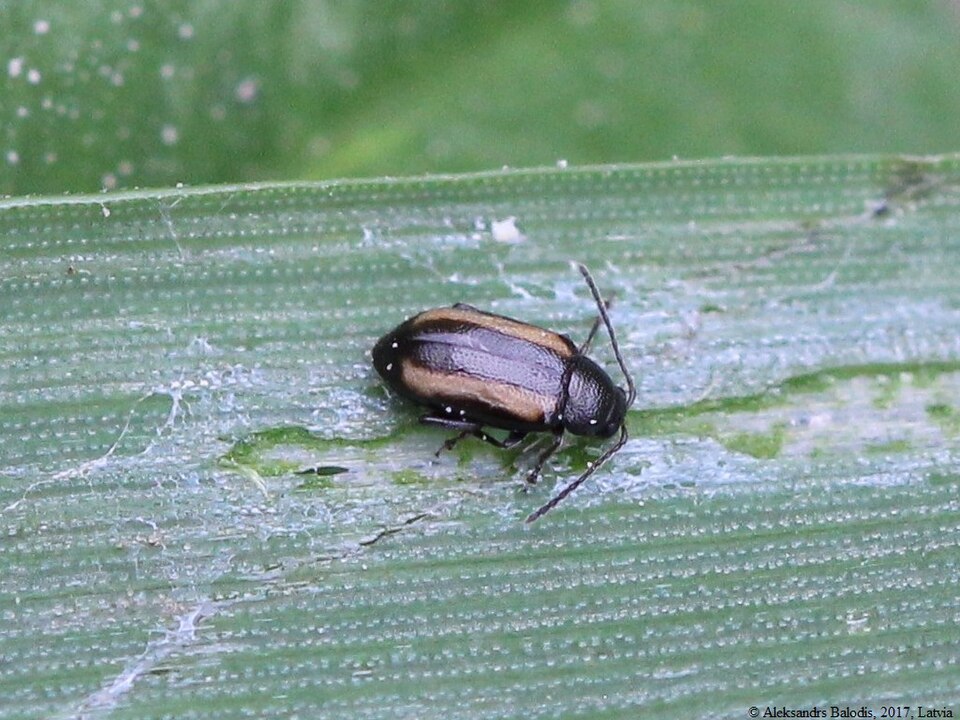
Symptoms
- Small, round holes and pits in the leaf blade
- Leaves looking as if peppered with shot
- Small black or metallic beetles jumping about on the leaves
- Seed leaves and the growing point of seedlings drying up
- Damage heaviest along the edge of the bed
What it does to the crop
- Seedlings lost and the need to re-sow
- Growth of young transplants checked
- Loss of market value in young rocket and radish leaves
- Damage that encourages bacterial infection
What encourages it
- A warm, dry, sunny spring
- Temperature above 20°C with no rainfall
- Dried-out soil and slow-growing seedlings
- Last year's brassica plot nearby
Prevention
- Cover seedlings with fleece from the day they are sown
- Keep the top layer of soil moist
- Push seedlings on with watering and feeding
- Mulch between the rows
- Remove brassica weeds where the beetles overwinter
⚠️ Before you reach for a spray
This atlas is informational and still growing — different diseases can look almost identical. Confirm the diagnosis and read the product label before applying any plant protection product. If you are unsure, ask your local extension or advisory service.
Keep the disease atlas with you in the garden
In the app you can identify a disease from photos, work out the spray dose for your own bed and log the treatment in your task calendar. Free, no sign-up, works offline.
Open the atlas in the app →