Aphids on cucumber
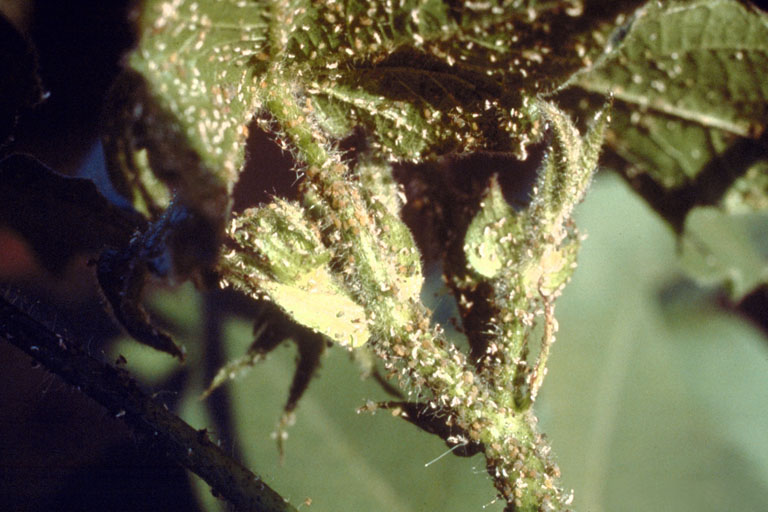
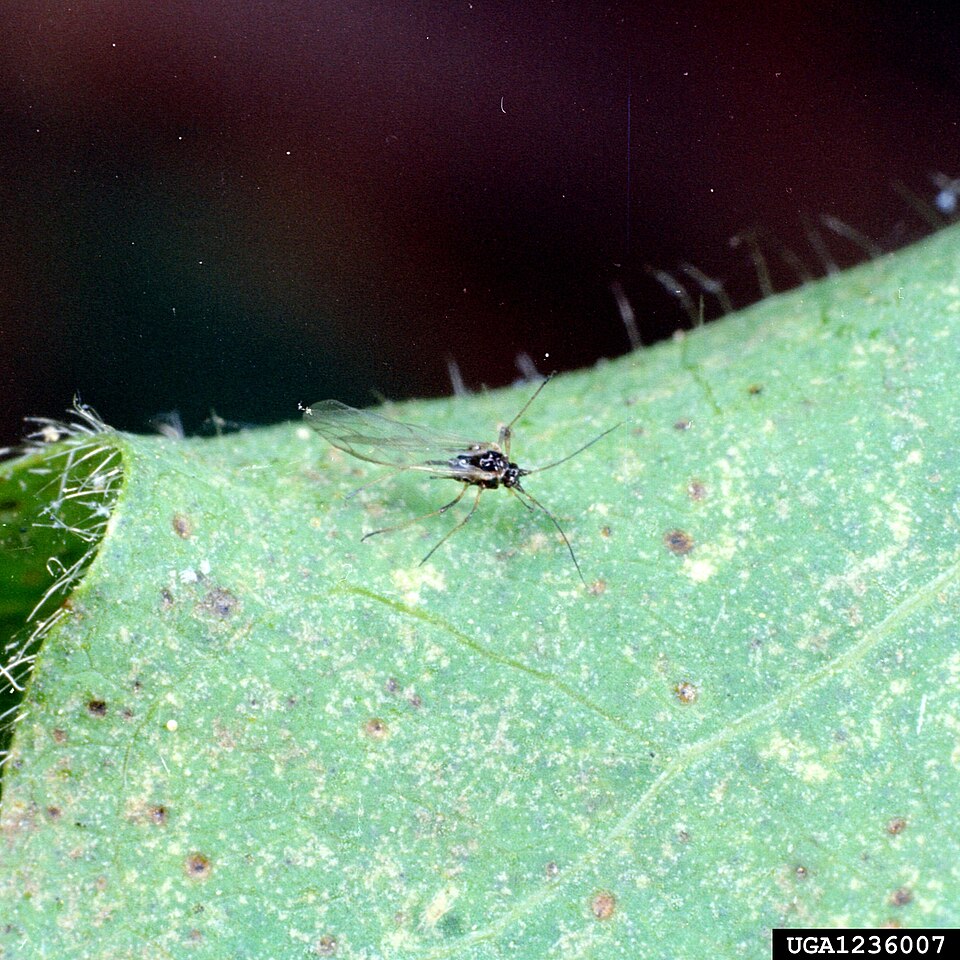
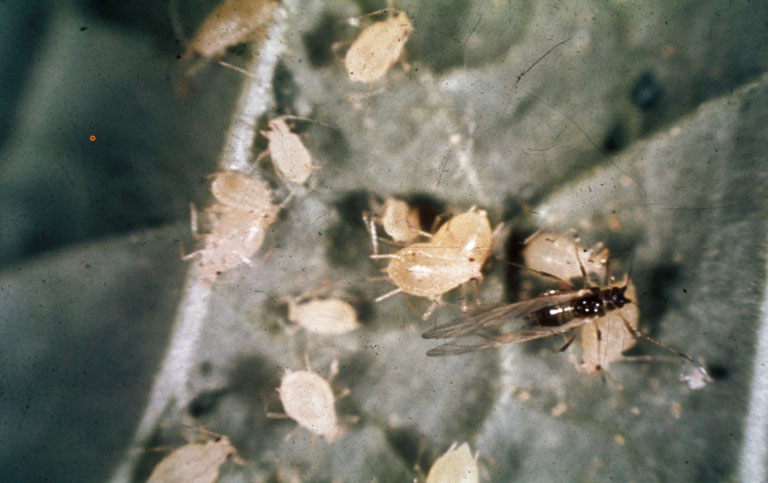
Small insects (mainly the cotton aphid, Aphis gossypii) sucking sap from young leaves and shoots. Beyond the direct damage they are the main vector moving cucumber mosaic virus (CMV) between plants.
Symptom photos
Symptoms
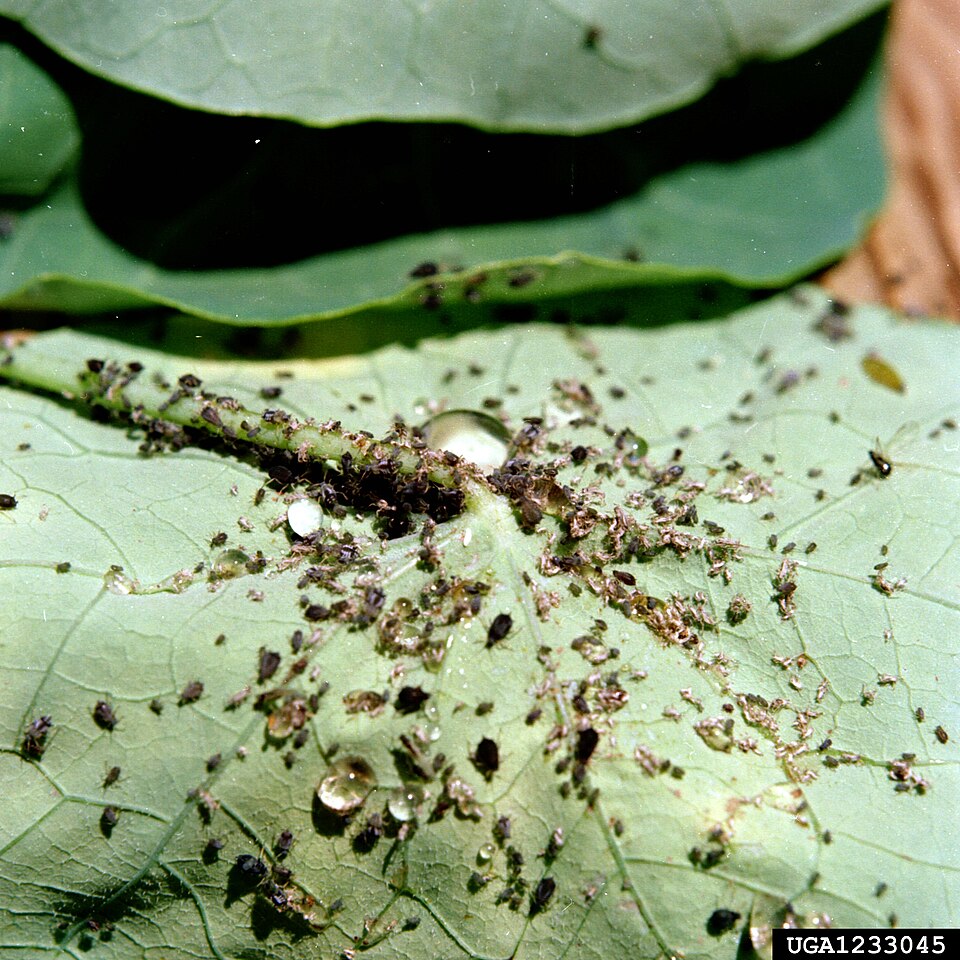
- Colonies of small greenish, yellowish or dark insects on the underside of young leaves and at the shoot tips
- Young leaves twisting, puckering and deforming
- Sticky honeydew on the leaves, with black sooty mold growing on it
- Shoot growth checked and tips wilting in a heavy attack
- Ants working the honeydew as an indirect sign that aphids are present
What it does to the crop
- Weakened plants and reduced yield
- Transmission of viruses, including cucumber mosaic virus (CMV)
- Leaves coated in black sooty mold that cuts down photosynthesis
What encourages it
- Warm weather, especially in early summer
- Excess nitrogen encouraging soft, sappy young growth
- Weeds and other aphid host plants nearby
Prevention
- Check the shoot tips regularly from May or June
- Encourage aphid predators — ladybirds, lacewings and hoverflies
- Do not overfeed with nitrogen
- Clear weeds from around the crop
- Wash light infestations off with a strong jet of water
⚠️ Before you reach for a spray
This atlas is informational and still growing — different diseases can look almost identical. Confirm the diagnosis and read the product label before applying any plant protection product. If you are unsure, ask your local extension or advisory service.
Keep the disease atlas with you in the garden
In the app you can identify a disease from photos, work out the spray dose for your own bed and log the treatment in your task calendar. Free, no sign-up, works offline.
Open the atlas in the app →